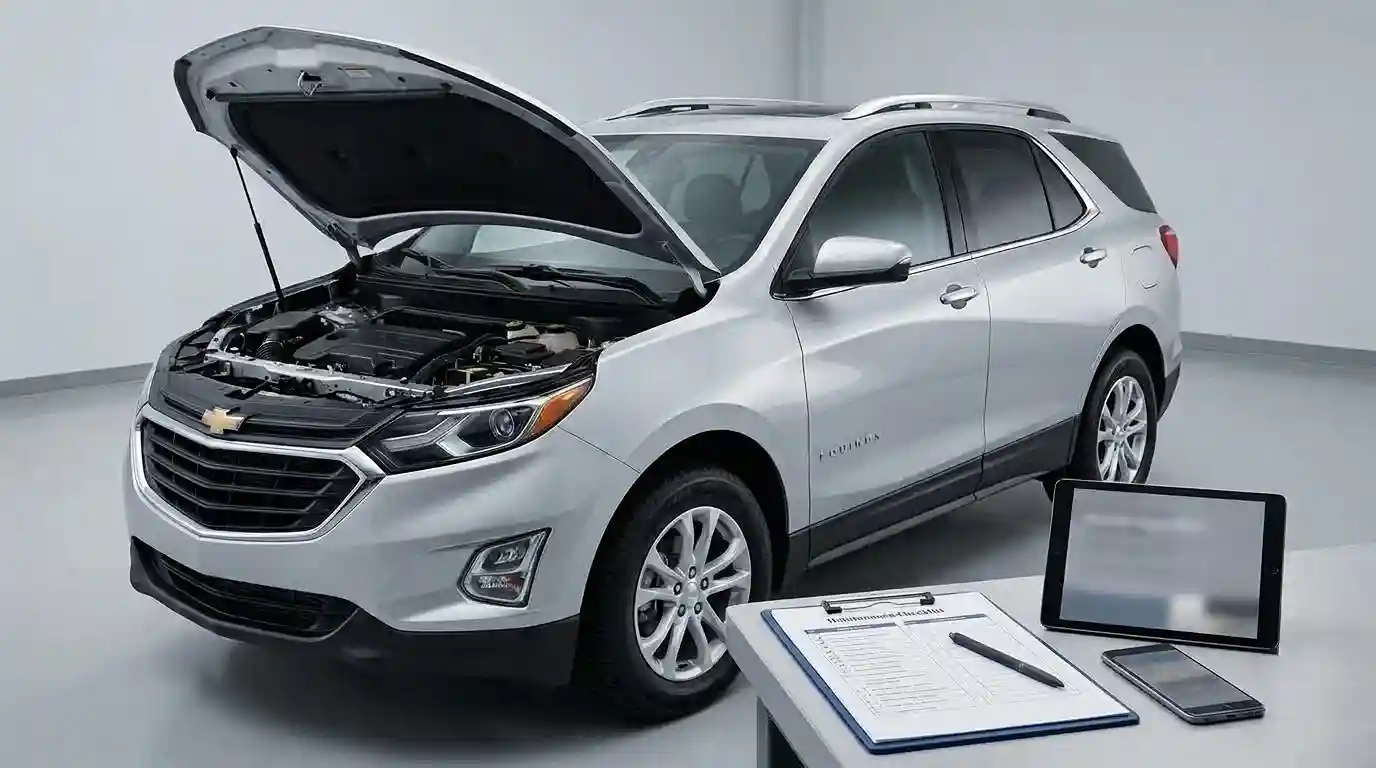
Standard Maintenance Schedule Basics
| Maintenance Item | Recommended Interval | Notes |
|---|---|---|
| Oil change (full synthetic) | Every 7,500 miles | Oil Life Monitor tracks actual driving conditions |
| Tire rotation | Every 7,500 miles | Usually paired with oil change |
| Cabin/engine air filters | Every 12,000–24,000 miles | Varies with driving conditions |
| Battery check | Before winter | Cold weather exposes a marginal battery |
| Tire pressure check | More often in fall/winter | Pressure drops with temperature |
Most Chevrolet models follow this rhythm, though specifics vary by engine type and driving conditions. Chevy's Oil Life Monitor system tracks your actual driving conditions and alerts you when service is due, rather than relying on mileage alone.
Severe Driving Conditions and What Counts
Chevrolet defines "severe" driving conditions as frequent short trips, extensive idling, driving in dusty conditions, or regular towing, all of which can apply to Indianapolis drivers more than they might expect. Short commutes into downtown with lots of stop-and-go traffic technically qualify as severe driving, which means some maintenance items may need attention sooner than the standard schedule suggests. It's worth mentioning your typical driving pattern when discussing your maintenance schedule.
Warranty Coverage
| Vehicle Type | Bumper-to-Bumper | Powertrain |
|---|---|---|
| New Chevrolet | 3 years / 36,000 miles | 5 years / 60,000 miles |
| Certified Pre-Owned | 12 months / 12,000 miles | 6 years / 100,000 miles* |
*From the original in-service date, whichever comes first.
Knowing which warranty applies to your specific vehicle matters if you're dealing with an unexpected repair, since coverage differs meaningfully between new and CPO vehicles.
Maintenance History & Trade-In Value
A documented maintenance history matters for both warranty claims and resale or trade-in value. Keeping receipts or using Chevrolet's connected app to log service history gives you a clear record if a warranty question comes up, and it can support a stronger trade-in value when you're ready for your next vehicle.
Owner's Manual vs. Professional Help
| Use Your Owner's Manual For | Consult a Professional For |
|---|---|
| Fluid types and tire pressure specs | Diagnostic codes |
| Understanding dashboard warning lights | Unusual noises |
| Basic feature explanations | Performance changes |
FAQs
How often should I change the oil in my Chevrolet?
Typically every 7,500 miles with full synthetic oil, though Chevy's Oil Life Monitor tracks your actual driving conditions and will alert you when service is due.
What does Chevrolet's Bumper-to-Bumper warranty cover on a new vehicle?
It covers most vehicle components for 3 years or 36,000 miles, whichever comes first.
Does frequent short-distance driving in Indianapolis affect my maintenance schedule?
Yes, frequent short trips and stop-and-go driving qualify as severe driving conditions, which can mean some maintenance items are needed sooner than the standard schedule suggests.
How do I check if my Chevrolet has an open recall?
You can check your Vehicle Identification Number against Chevrolet's recall database to see if any recalls or software updates apply to your vehicle.
Why does my tire pressure warning light come on more in winter?
Tire pressure drops as temperatures fall, which can trigger a low tire pressure warning even when there's no actual leak or damage.
Does keeping a documented maintenance history affect my vehicle's trade-in value?
Yes, a clear maintenance record can support a stronger trade-in offer and is useful for any warranty claims down the road.