Chevy Test Drive Checklist: What to Look For
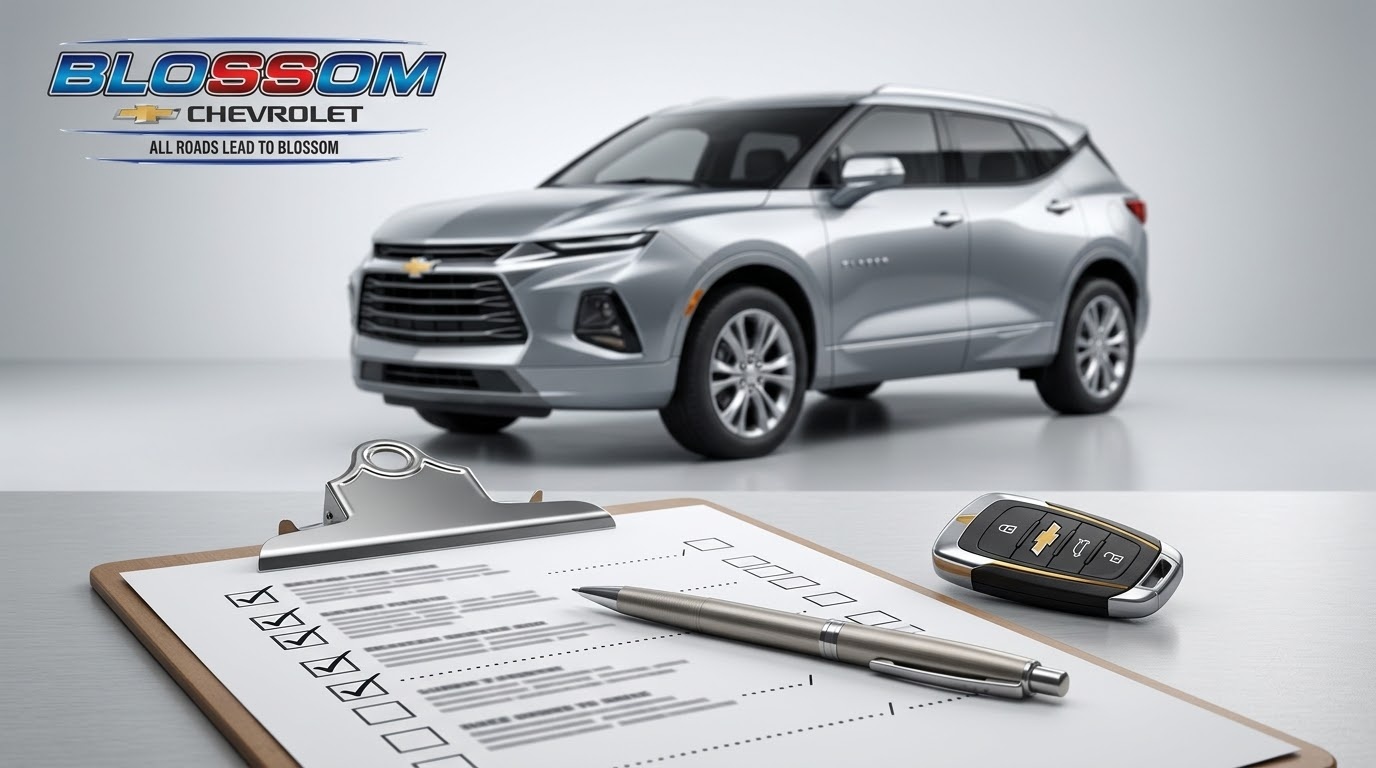
A good Chevy test drive covers more than just how the vehicle accelerates. Check visibility, seat comfort, infotainment ease of use, road noise, and how the vehicle handles stop-and-go traffic, since these details matter more for daily Indianapolis driving than a quick lot loop reveals. Bring your usual commute route into consideration, and don't rush the process.
A test drive is your best chance to figure out if a vehicle actually fits your daily life, not just whether it looks good in the showroom. Here's what to actually pay attention to, based on what matters most once you're driving a Chevy around Indianapolis every day.
Start Before You Even Start the Engine
Get in and adjust the seat, mirrors, and steering wheel the way you normally would. Check how easy it is to get in and out, especially if you're comparing an SUV against a sedan or truck. Look at visibility from the driver's seat, particularly blind spots, since this matters more in daily Indianapolis traffic than it might seem during a quick walkthrough.
Pay Attention to Seat Comfort Beyond the First Few Minutes
A seat can feel fine for the first five minutes and uncomfortable after thirty. If your test drive route is short, sit in the vehicle a little longer at the dealership afterward to get a better sense of long-term comfort, especially if you have a longer commute into downtown Indianapolis or out toward the suburbs.
Test the Infotainment System While Driving, Not Just Parked
Touchscreens and voice controls often feel intuitive while parked but become distracting once you're actually driving. Try pairing your phone, adjusting the climate control, and switching audio sources while on the road (safely, at a stoplight or straight stretch) to get a real sense of how usable the system is during actual driving, not just a showroom demo.
Drive on Roads That Match Your Real Commute
If possible, ask to include a mix of road types: city streets with stop-and-go traffic, a stretch of highway if you regularly drive on I-69 or I-70, and if relevant, a rougher road to check ride quality. A vehicle that feels smooth on a dealership's typical test loop can feel different on the roads you'll actually be driving daily.
Listen for Road and Wind Noise
Turn off the radio for part of your test drive and just listen. Road noise, wind noise, and engine noise all vary noticeably between vehicles, even within the same class. This is easy to overlook during a demo but becomes noticeable fast once you're living with the vehicle daily.
Check Cargo Space With Your Actual Gear
If you regularly haul specific items, strollers, sports equipment, work tools, bring them along or at least visualize loading them into the cargo area during your visit. Cargo space numbers on a spec sheet don't always translate to how usable that space actually is for your specific needs.
Test Parking and Maneuverability
Try parking the vehicle, ideally in a somewhat tight spot, to get a feel for turning radius and visibility while parking. This matters more for Indianapolis drivers navigating downtown parking garages or tighter neighborhood streets than it does on a wide-open test drive route.
Ask About Features You Didn't Get to Test
Not every feature can be demonstrated in a short test drive, adaptive cruise control, certain safety systems, or towing capability, for example. Ask our Indianapolis sales team to walk through anything you couldn't fully test so you're not making a decision with unanswered questions.
Don't Rush the Decision
A rushed test drive often means missing details that matter once you're driving the vehicle daily. Take your time, ask questions as they come up, and if something feels off, mention it. Our team would rather answer extra questions during the test drive than have you second-guess the purchase after you've already signed.
FAQs
How long should a Chevy test drive last?
Long enough to cover a mix of road types, city streets, and ideally a short highway stretch, rather than just a quick lot loop.
Can I bring my own items to test cargo space during a test drive?
Yes, bringing strollers, equipment, or whatever you regularly haul gives you a more accurate sense of usable cargo space than spec numbers alone.
Should I test drive a vehicle on the same roads I normally drive?
Yes, if possible. Testing on your actual commute route, including city streets and highway driving, gives a more realistic sense of everyday comfort.
What should I listen for during a test drive besides engine performance?
Road noise and wind noise, which are easy to miss with the radio on but become noticeable once you're living with the vehicle daily.
Can I test features like adaptive cruise control during a short test drive?
Not always. Ask our sales team to walk through any features you weren't able to fully test before making a decision.
Is it normal to take more than one test drive before deciding?
Yes, especially if you're comparing multiple trims or models. Taking your time leads to a better long-term decision.